

Why Anxiety Worsens at Night
Many people notice that their anxiety increases at night. During the day, responsibilities, activities, and external demands occupy attention. At night, when these distractions decrease, anxiety often becomes more noticeable.
This experience is very common and reflects how the nervous system and mind function when external stimulation is reduced.
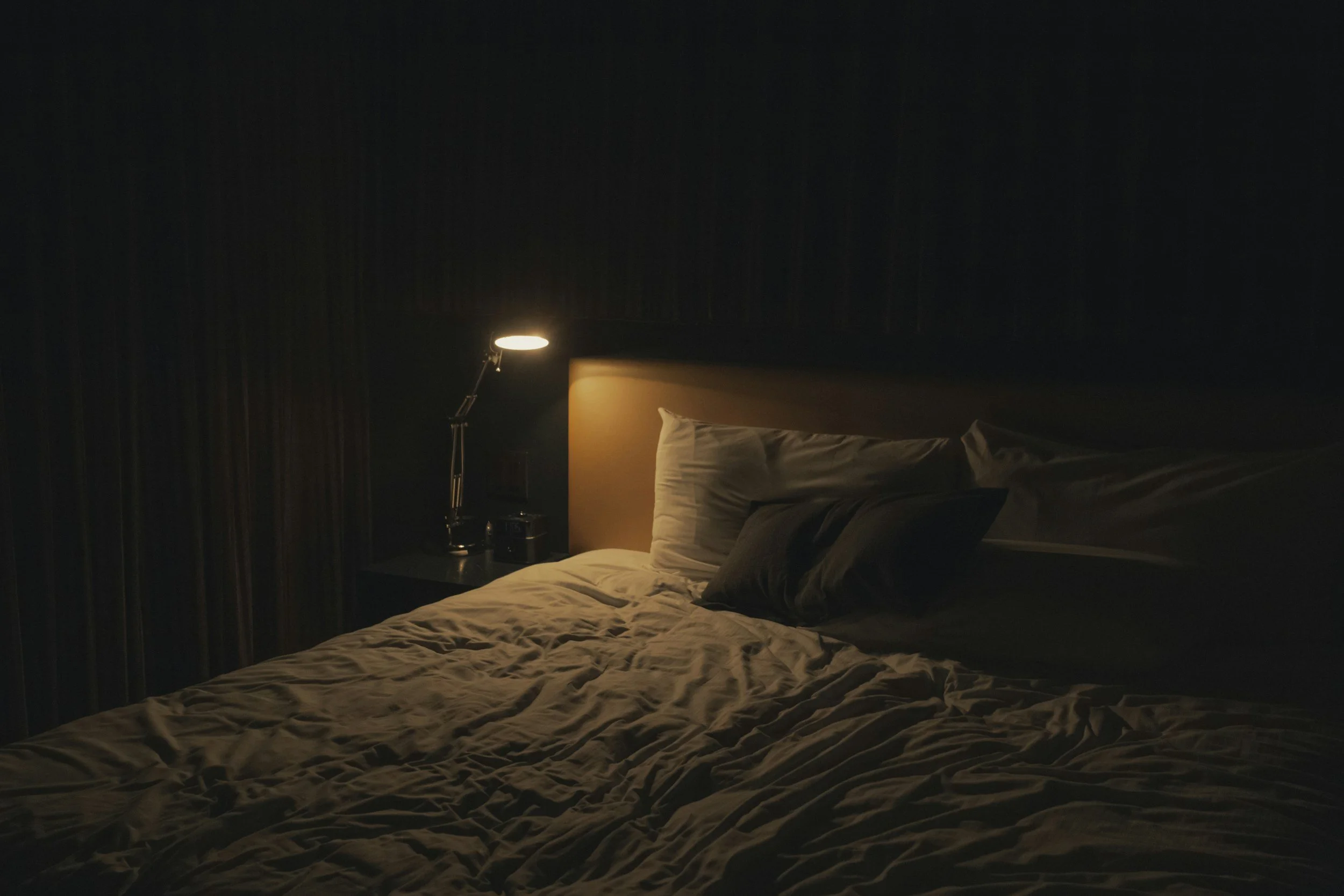
Anxiety often becomes louder at night when everything else is quiet.
The mind becomes quieter externally, but more active internally
At night, there are fewer external demands competing for attention. This allows internal thoughts, emotions, and sensations to become more prominent.
Thoughts that may have remained in the background during the day can become more noticeable and feel more intense. This does not mean anxiety is increasing objectively, but rather that it becomes more apparent.
Fatigue reduces the brain’s ability to regulate anxiety
Mental and emotional regulation requires energy. At the end of the day, the brain is naturally more fatigued. This reduces the nervous system’s ability to regulate emotional responses as effectively as it does earlier in the day. As a result, anxiety can feel stronger or more difficult to manage.
The nervous system becomes more sensitive when there is less distraction
During the day, external activity helps regulate the nervous system. Movement, conversation, and engagement help maintain nervous system balance. At night, when stimulation decreases, the nervous system may become more sensitive to internal signals. This can increase awareness of anxiety, physical sensations, and thoughts.
The mind often shifts into anticipation at night
Nighttime often represents a transition period between activity and rest. This transition can increase awareness of uncertainty, responsibilities, and future concerns. The mind may attempt to anticipate potential problems or review past events. This can increase anxiety and mental activity.
Nighttime anxiety reflects nervous system patterns, not danger
Nighttime anxiety does not indicate that something is wrong. It reflects nervous system activation patterns that have developed over time. These patterns can be changed. Anxiety is not permanent or fixed.
Therapy helps reduce nighttime anxiety
Therapy focuses on helping the nervous system become more regulated and stable.
This includes:
Reducing baseline nervous system activation
Understanding anxiety patterns
Increasing internal emotional safety
Reducing chronic anticipation
Supporting nervous system flexibility
As the nervous system becomes calmer overall, nighttime anxiety naturally decreases.
Getting Help
If your anxiety feels more intense at night or your mind won’t slow down when you’re trying to rest, therapy can help you understand what’s driving that pattern and how to create more mental quiet.
At Khanian Psychological Services, I work with high-functioning adults and adolescents who struggle with anxiety, overthinking, and difficulty turning their mind off. Together, we focus on practical tools and underlying patterns so you can feel more settled and less overwhelmed. I offer virtual therapy for adults and adolescents in New York, New Jersey, and PSYPACT states. Feel free to reach out to schedule a consultation.
Frequently Asked Questions
-
Many people notice that their anxiety feels more intense at night because there are fewer distractions competing for their attention. When the day slows down, your mind has more opportunity to replay conversations, worry about the future, or focus on physical sensations that may have gone unnoticed during the day.
-
Overthinking often becomes more noticeable at bedtime because your brain is no longer occupied with work, responsibilities, or other activities. Instead, it has space to revisit unresolved worries, imagine worst-case scenarios, or mentally prepare for the next day. If this happens regularly, it can become difficult to relax enough to fall asleep.
-
Yes. Anxiety activates your body's stress response, making it harder to feel calm enough to fall asleep. Racing thoughts, muscle tension, a fast heartbeat, or a general feeling of restlessness can all interfere with your ability to unwind at the end of the day.
-
Yes. Many people experience a noticeable increase in anxiety during the evening, particularly if they've been pushing through stress all day. Feeling more anxious at night doesn't necessarily mean your anxiety is getting worse overall—it's often a reflection of having fewer distractions and more mental space to notice what's already there.
-
Absolutely. Therapy can help you understand the patterns that contribute to nighttime anxiety while teaching practical strategies to manage racing thoughts, reduce excessive worry, and address the underlying causes of your anxiety. Rather than simply helping you sleep better, therapy focuses on creating lasting changes that make anxiety feel more manageable throughout the day and at night.