

Your emotions feel bigger than the moment calls for.
Emotion regulation and distress tolerance therapy for adults in New York, New Jersey, & PsyPact states.

You may feel emotions intensely.
When something upsetting happens, it can be difficult to regain your footing. Your thoughts may spiral. Your nervous system may stay activated long after the moment has passed.
You may tell yourself to “calm down,” but your body and mind don’t cooperate.
You may notice yourself:
Becoming overwhelmed more quickly than you’d like
Struggling to let go of distressing thoughts or feelings
Reacting in ways you later question or regret
Shutting down emotionally to avoid feeling too much
Feeling steady one moment and destabilized the next
These experiences can feel confusing and exhausting. Therapy can help you develop the ability to move through emotions without becoming consumed by them.
If this sounds familiar
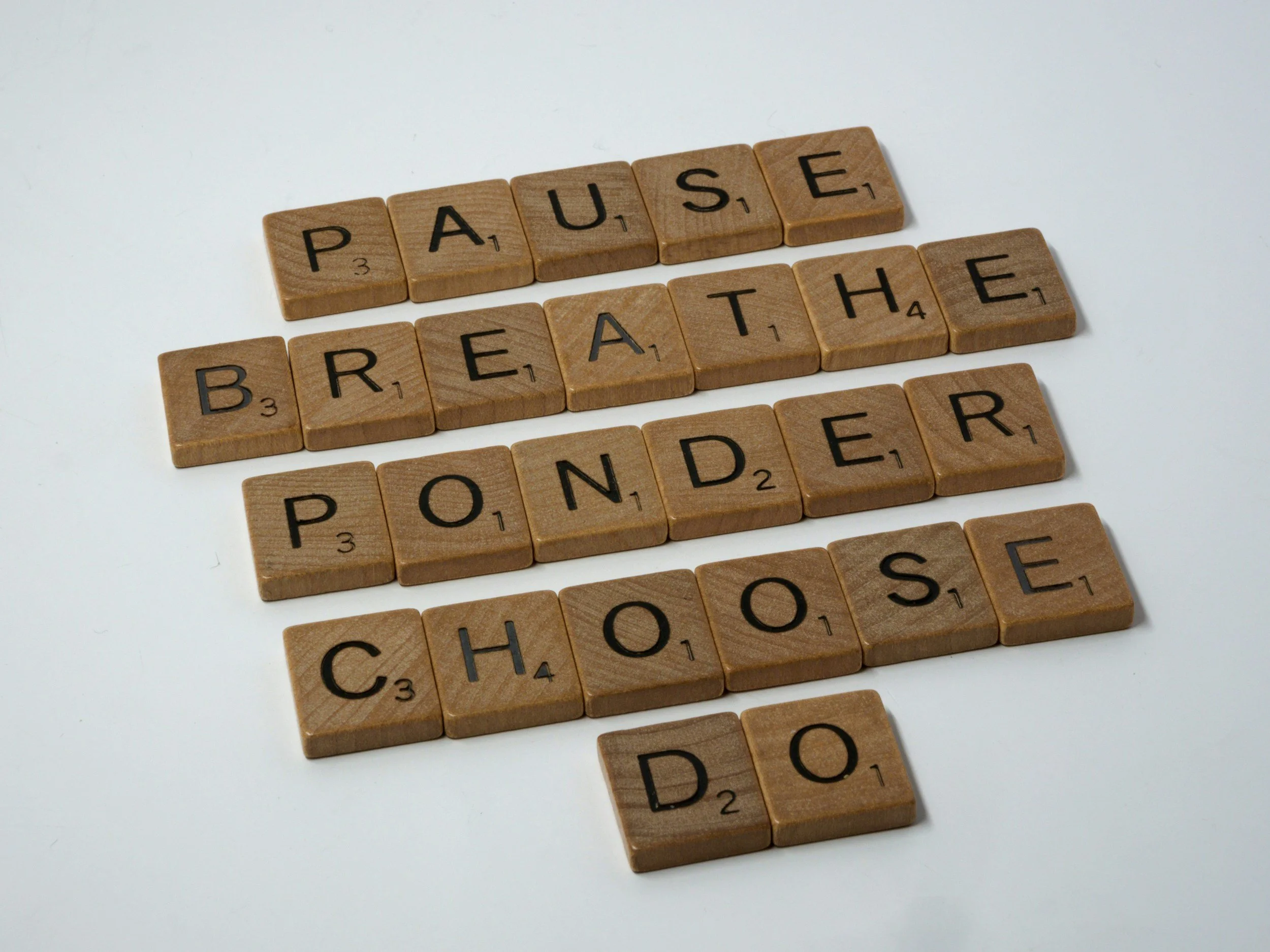
What Emotion Regulation and Distress Tolerance Mean
Emotion regulation refers to your ability to understand, manage, and respond to emotional experiences in a way that feels balanced and intentional.
Distress tolerance refers to your ability to navigate difficult emotional states without becoming overwhelmed or acting in ways that create further distress.
When these capacities are strained, emotions may feel unpredictable, urgent, or difficult to manage.
This is not a personal failing. These are skills that can be strengthened over time.

Why Emotional Responses Can Feel So Intense
Emotional sensitivity often develops in environments where emotions felt overwhelming, unsupported, or unsafe to express.
Over time, your nervous system learns to react quickly in order to protect you.
Even when circumstances change, your emotional system may continue to respond as if the original threat is still present.
Therapy helps retrain your nervous system and strengthen your ability to remain grounded during emotional distress.
Emotional regulation isn’t about controlling your feelings — it’s about learning how to move through them without losing yourself.
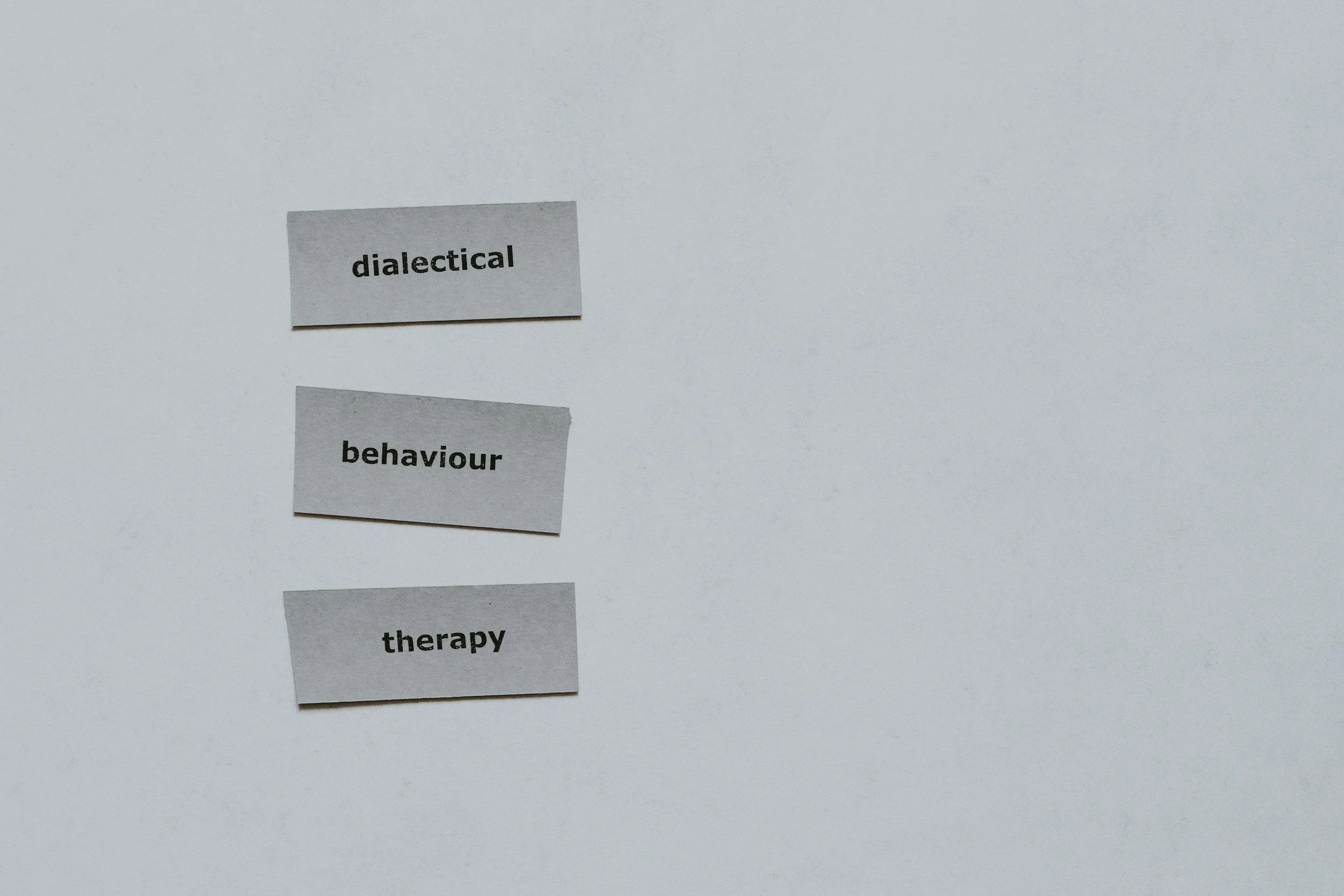
Our DBT-Informed Approach
We integrate principles from Dialectical Behavior Therapy (DBT), an evidence-based approach designed to strengthen emotional stability and resilience.
In therapy, we focus on helping you:
Recognize emotional triggers and early warning signs
Develop skills to regulate emotional intensity
Increase your ability to tolerate distress without escalation
Reduce impulsive or reactive responses
Strengthen your sense of internal stability
Respond to emotions with greater clarity and intention
This work is both practical and depth-oriented. We help you build concrete skills while also understanding the underlying patterns shaping your emotional responses.
Over time, emotions begin to feel more manageable and less disruptive.

What Begins to Shift
As therapy progresses, many clients notice:
Greater emotional stability
Faster recovery from distress
Reduced emotional reactivity
Increased sense of control and clarity
Less fear of their own emotional experiences
Greater confidence navigating difficult situations
Emotions become something you can experience without feeling overwhelmed by them.
-
Yes. Emotion regulation and distress tolerance work often incorporates Dialectical Behavior Therapy (DBT) skills, along with cognitive and attachment-informed approaches when emotional intensity is rooted in earlier relational experiences.
-
Many clients begin noticing improved emotional control within a few months. Longer-standing patterns may require deeper work. Treatment is structured to create steady, sustainable change, not temporary coping.
-
Yes. Khanian Psychological Services provides emotion regulation and distress tolerance therapy for adults across New York and New Jersey through secure telehealth.
-
Emotional reactions happen faster than logical thinking. If your nervous system is easily activated, often due to chronic stress, trauma history, or attachment wounds, your body may respond before your rational mind can step in. Therapy helps retrain that response so emotional intensity becomes manageable instead of overwhelming.
-
Yes. Many conflicts are driven by emotional flooding, shutdown, defensiveness, or fear-based reactions. Strengthening emotion regulation skills improves communication, reduces escalation, and increases relational stability, especially for adults who feel reactive in close relationships.
-
No. Emotional dysregulation can develop from high-pressure environments, emotionally inconsistent family systems, chronic anxiety, or prolonged stress. You do not need a specific diagnosis to benefit from structured emotion regulation therapy in New York or New Jersey.