


Why You Feel Responsible for Everyone’s Emotions
If someone is upset, disappointed, stressed, or angry, do you immediately feel responsible for making it better? Feeling responsible for other people’s emotions often goes deeper than people-pleasing. It can develop from early experiences with conflict, unpredictability, guilt, or learning to keep the people around you happy. Here’s why the pattern can be so difficult to break—and how to care about others without abandoning yourself.
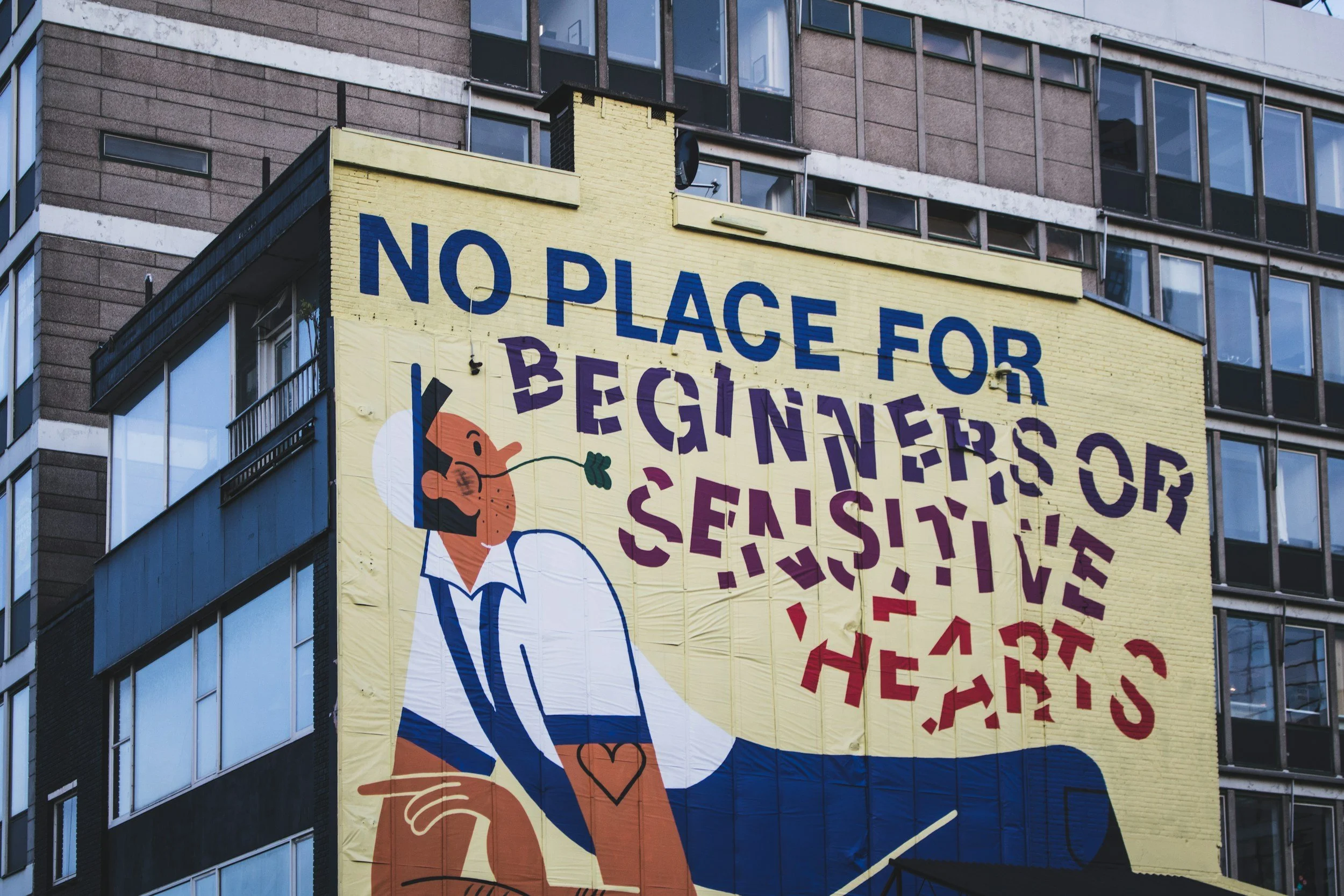
Why You Feel Like You're "Too Sensitive" (And Why You Probably Aren't)
Have you ever wondered if you're "too sensitive"? Many people who question their emotional reactions have spent years being told their feelings were too much. Learn where this belief comes from and how therapy can help you rebuild trust in yourself.

Signs You Grew Up in a Family Where Emotions Weren’t Safe
Some families struggle to handle emotions in healthy ways. When emotions don’t feel safe growing up, children often learn to hide feelings, manage others’ moods, or disconnect from their own needs. These patterns can continue into adulthood in ways that aren’t always obvious.

Why Emotional Neglect Is So Hard to Recognize
Emotional neglect can be difficult to recognize because it’s not about obvious harm, it’s about what was missing. Many adults only begin to understand its impact later in life when certain emotional patterns become clearer.
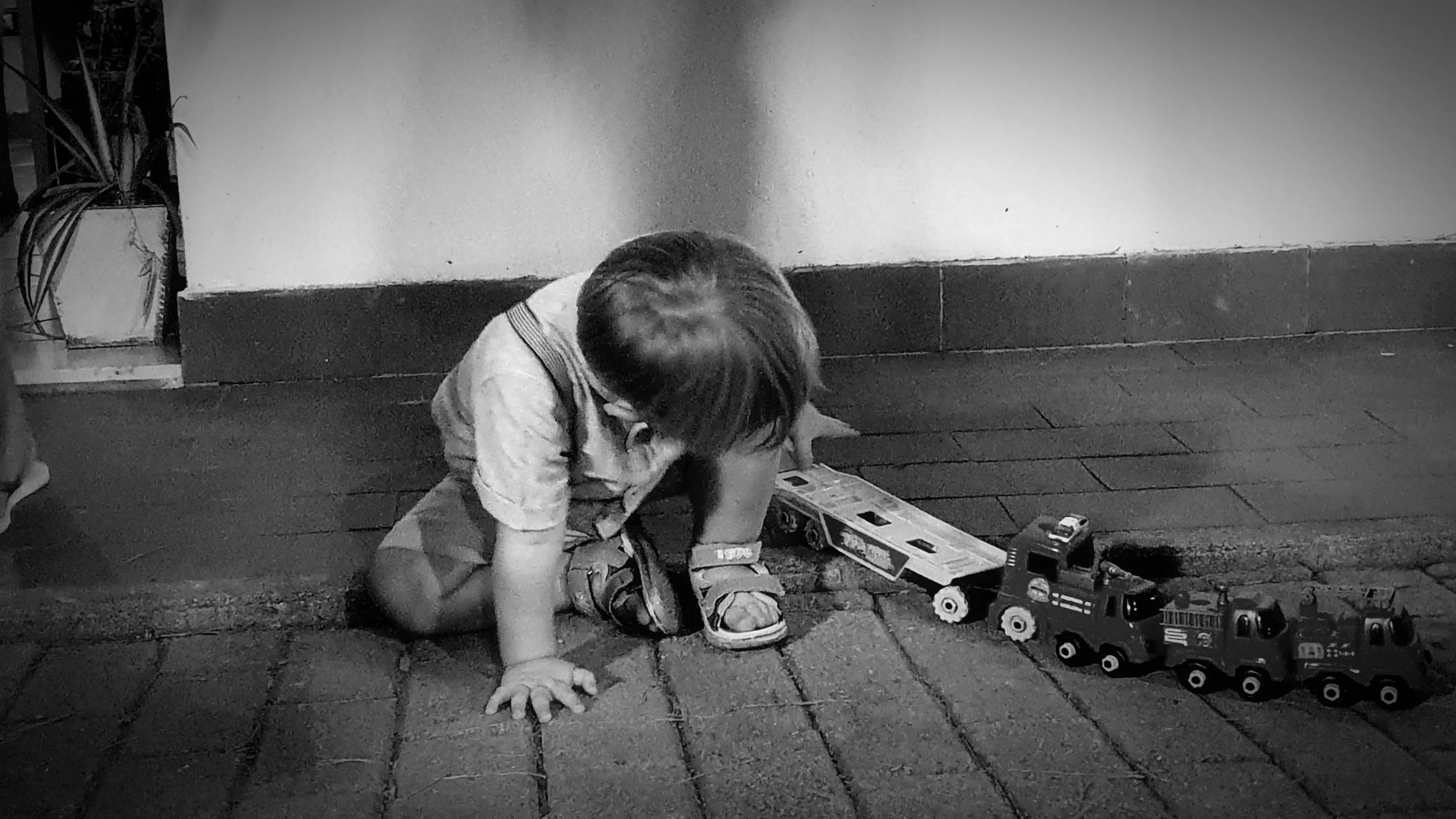
How Emotional Neglect in Childhood Shows Up in Adult Life
Childhood emotional neglect often goes unnoticed because it isn’t about what happened, it’s about what was missing. So many adults only realize later that their emotional needs were never fully seen or supported. Understanding how emotional neglect shows up in adult life can be the first step toward healing.

Signs You Grew Up With Emotionally Immature Parents
It's possible to grow up in a home that looked fine from the outside while quietly feeling unseen, responsible for everyone else's moods, or like your emotional needs were too much. This post describes what emotionally immature parenting actually looks like and how it tends to show up in adult life.