


Why Some Couples Get Stuck in High-Conflict Cycles
High-conflict relationships often become trapped in repetitive communication patterns. Couples therapy helps partners recognize these cycles, improve communication, and strengthen emotional connection.

When Should You Start Couples Therapy?
Couples therapy isn't only for relationships in crisis. Working with a psychologist can help couples strengthen communication, rebuild trust, navigate life transitions, and address conflict before it becomes more difficult to resolve.

Signs Your Self-Esteem Issues Are Rooted in Early Family Dynamics
Emotionally immature or narcissistic family patterns can quietly shape adult self-esteem. Learn how therapy in supports identity repair and self-trust.

Why You Feel Responsible for Everyone’s Emotions
If someone is upset, disappointed, stressed, or angry, do you immediately feel responsible for making it better? Feeling responsible for other people’s emotions often goes deeper than people-pleasing. It can develop from early experiences with conflict, unpredictability, guilt, or learning to keep the people around you happy. Here’s why the pattern can be so difficult to break—and how to care about others without abandoning yourself.

Breaking the Pattern: Healing After Narcissistic or Emotionally Immature Parents
Awareness is the first step. Real healing means rebuilding emotional safety, boundaries, and identity after growing up in a dysregulated family system.

Signs You Grew Up in a Family Where Emotions Weren’t Safe
Some families struggle to handle emotions in healthy ways. When emotions don’t feel safe growing up, children often learn to hide feelings, manage others’ moods, or disconnect from their own needs. These patterns can continue into adulthood in ways that aren’t always obvious.

Why Emotional Neglect Is So Hard to Recognize
Emotional neglect can be difficult to recognize because it’s not about obvious harm, it’s about what was missing. Many adults only begin to understand its impact later in life when certain emotional patterns become clearer.

Why You Feel Disconnected from Yourself
Feeling disconnected from yourself is often related to anxiety and nervous system activation. Therapy helps restore emotional connection and stability.
Signs You Might Have an Anxious Attachment Style
Do you often worry about losing people you care about or feel anxious when relationships feel uncertain? These experiences may be connected to an anxious attachment style. Understanding the signs can help you develop more secure and stable relationships.

How to Be Happy After a Breakup? A Psychologist's Honest Answer
Everyone wants to know how to feel better faster after a breakup. A psychologist explains what actually helps and why forcing happiness usually backfires.

When Love Feels Threatening: Anxiety and Fear of Intimacy
For some people, emotional closeness can trigger unexpected anxiety. Even when you want connection, intimacy may feel uncomfortable or overwhelming. Understanding why this happens can help you build healthier and more secure relationships.

How Emotional Neglect in Childhood Shows Up in Adult Life
Childhood emotional neglect often goes unnoticed because it isn’t about what happened, it’s about what was missing. So many adults only realize later that their emotional needs were never fully seen or supported. Understanding how emotional neglect shows up in adult life can be the first step toward healing.

Signs You Grew Up With Emotionally Immature Parents
It's possible to grow up in a home that looked fine from the outside while quietly feeling unseen, responsible for everyone else's moods, or like your emotional needs were too much. This post describes what emotionally immature parenting actually looks like and how it tends to show up in adult life.

If You Feel Responsible for Everything (Even Things That Aren't Your Fault)
Feeling responsible for how other people feel, or quietly bracing for whatever might go wrong, is a pattern that usually starts long before adulthood. This post explores where excessive responsibility comes from, and why simply deciding to "let things go" rarely makes it stop.

How Perfectionism Impacts Relationships and Communication
Perfectionism isn't just something that shows up at work. It follows you into relationships, shaping how you communicate, handle conflict, and tolerate vulnerability. This post looks at the specific ways high standards and fear of getting things wrong create distance, even with people you're close to.
Why You Feel Guilty for Setting Boundaries
Setting boundaries is often described as healthy, yet many people feel intense guilt when they try to say no or protect their time and energy. Understanding where this guilt comes from can help you develop more balanced relationships.
Emotionally Immature Parents and the Long-Term Impact on Adult Children
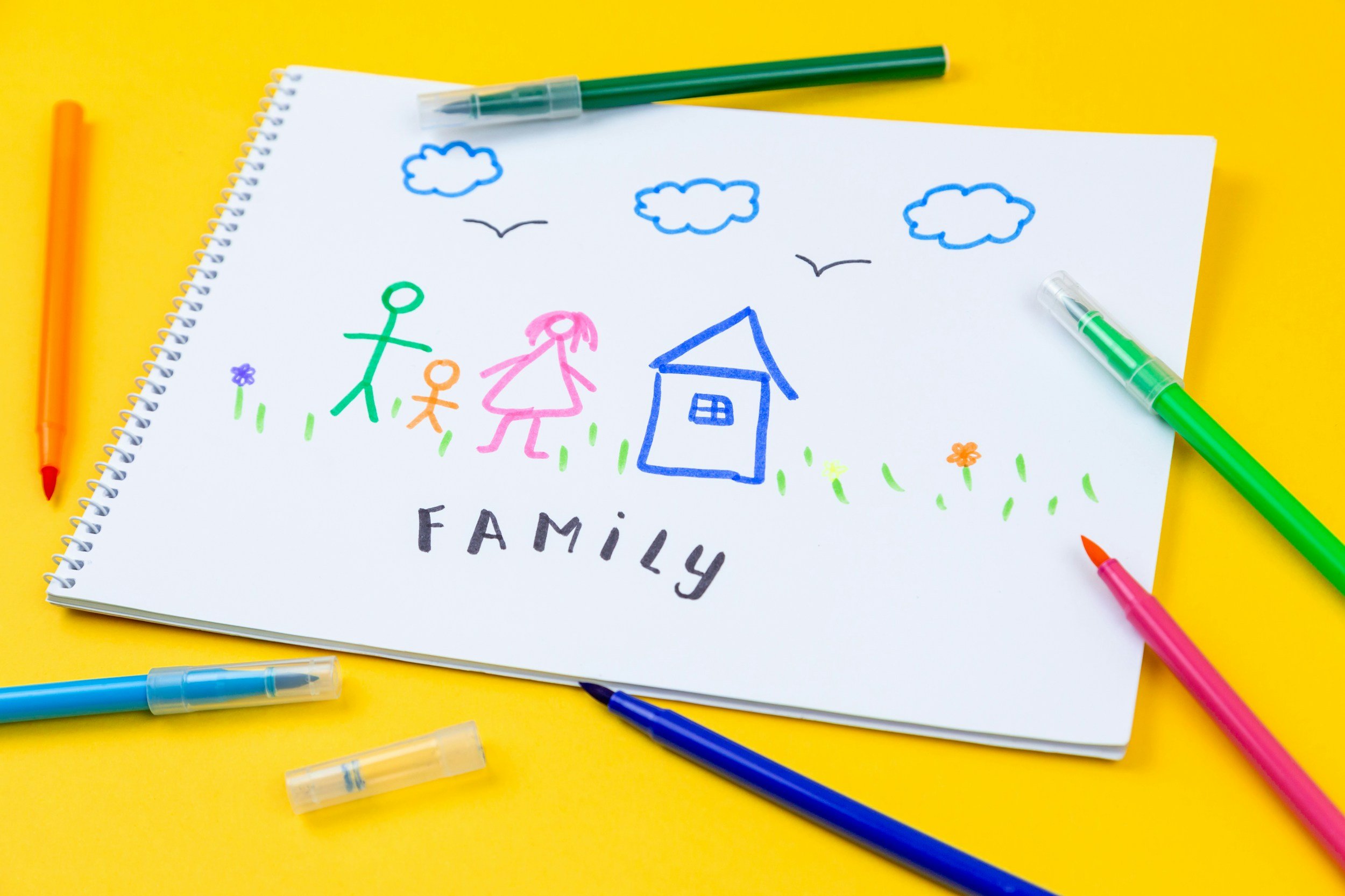
If your parent avoided emotions, minimized your feelings, or relied on you for support, you may still feel the effects. Growing up with emotionally immature parents can shape how you experience relationships, boundaries, and self-worth later in life. Here’s how emotionally immature parenting shapes adulthood.

What It's Like to Grow Up in a Narcissistic Family—and How to Heal
Narcissistic family dynamics are often hard to name because they don't always look dramatic from the outside. They show up as subtle invalidation, shifting rules, and a quiet sense that your needs were always secondary. This post describes what these patterns actually look like, and what healing from them involves.